Every suburb has a place that helps explain how it came to be. For Maylands, that place is Peninsula Farm — though the story of this bend in the river began many thousands of years before any farm, suburb or colony existed.
Wu-rut Woorat: the land before the farm
This area is known as Wu-rut Woorat, and it has been the land of the Whadjuk people for many thousands of years. The river here is Derbarl Yerrigan — the Swan River — and the National Trust of Western Australia, which cares for the site today, tells its story as one of connection to Country long before European settlement.
Any visit should start with that understanding. The colonial farmhouse stands on ancient land, and the deeper history of Maylands is a Whadjuk Noongar story.
One of the colony’s first farms
In 1830, Joseph and Ann Hardey arrived at the Swan River Colony and were granted land on the peninsula. The brick house completed here in 1839 still stands — one of the earliest metropolitan residences remaining in Western Australia, on one of the first farms established in the colony.
The property later became known as Tranby House. Through the twentieth century it passed between owners, including Alan Bond, whose plan to demolish the house for high-density housing was stopped by public outcry. The National Trust of Australia (WA) became involved, and it owns and manages the site today.
Visiting today
Peninsula Farm sits on the banks of the Derbarl Yerrigan at the end of the Maylands peninsula — an easy walk or ride from the town centre along the river. The National Trust opens the house on weekends; check its website for current visiting times, group bookings and school programs.
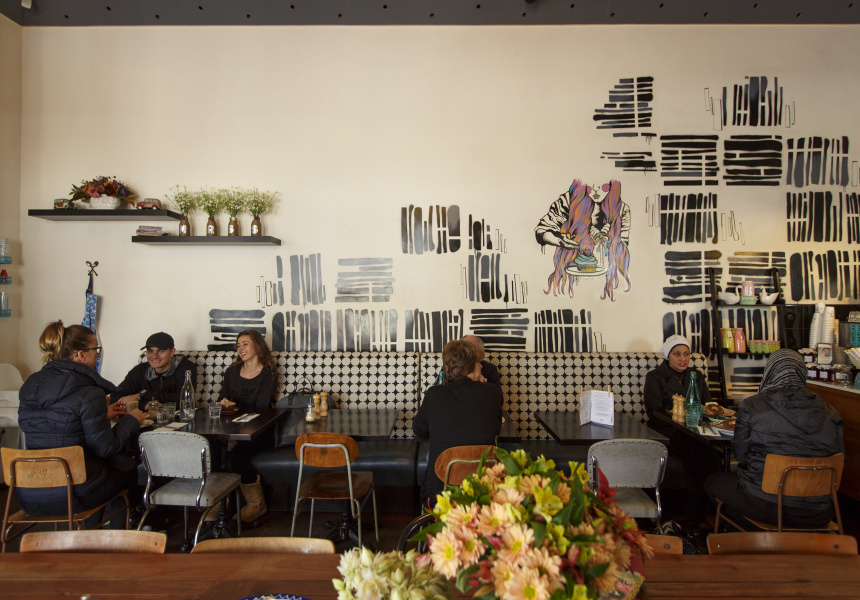
A separately operated café runs on the site and keeps its own hours, so check the Peninsula Farm Cafe directly before planning a visit around it.